Insurance & Costs Guide
Is Autism Testing Covered by Insurance? What Parents Actually Pay
In most cases, yes: autism testing is covered by insurance. Diagnostic evaluations are typically covered as medically necessary care, and every state, including Washington and Oregon, has an autism insurance mandate. Covered doesn’t mean free, though. Your deductible, coinsurance, network, and prior-authorization rules decide what you actually pay, and covered evaluation slots often come with long waitlists. If the wait is the real problem, Strides Therapeutic Services in Vancouver, WA completes diagnostic assessments for children up to age 8 starting at $795, with results in as little as two weeks.
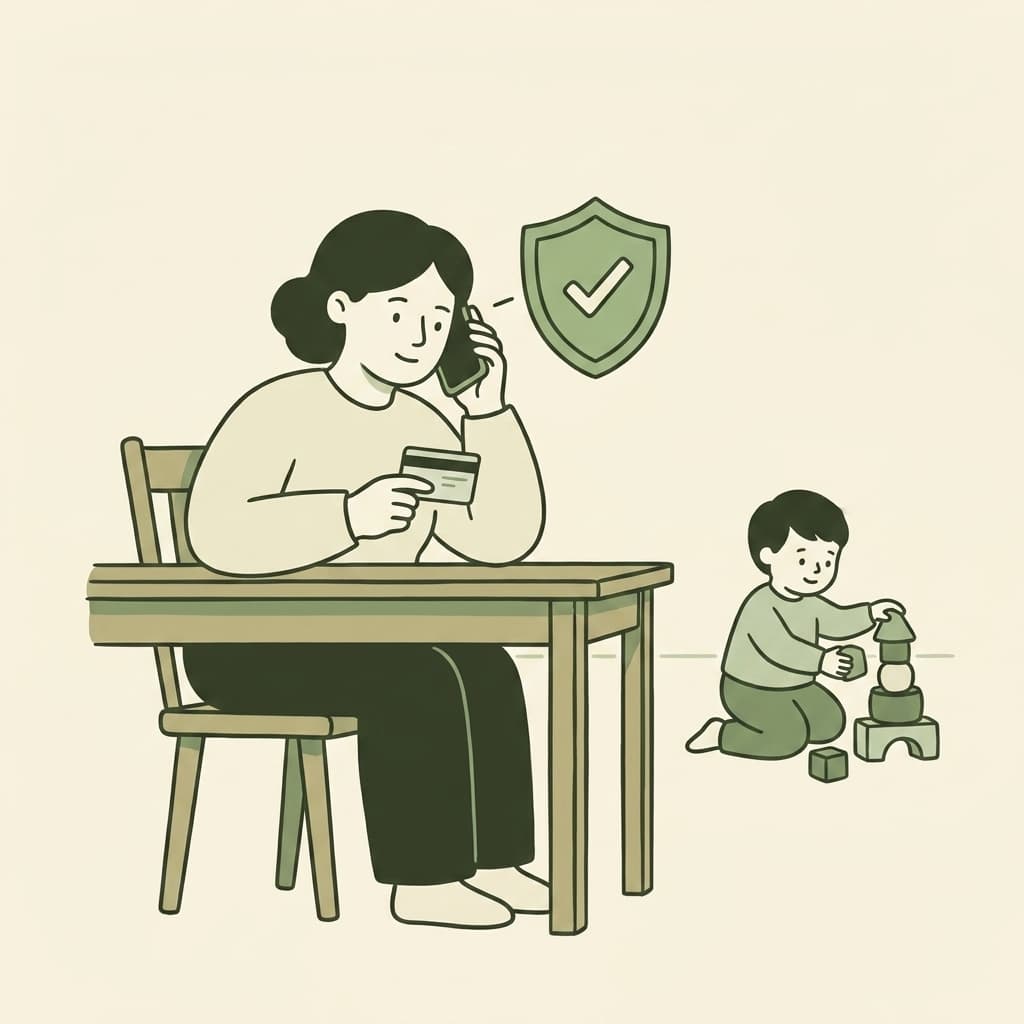
Testing is usually covered. “Covered” is not the whole story.
Start with the good news. Autism diagnostic evaluations sit firmly in the “medically necessary” category for nearly every health plan, because a formal diagnosis is the gate to treatment. Every state now has some form of autism insurance mandate, and Washington and Oregon both require state-regulated plans to cover autism-related care. Insurers don’t treat an autism evaluation like an elective; they treat it like the diagnostic workup it is.
The catch is that “it’s a covered benefit” and “it won’t cost you much” are two different statements. Coverage means the plan will pay its share according to your benefit design. What lands on your side of the ledger depends on your deductible, your coinsurance, whether the evaluating clinician is in network, and whether the plan wanted a referral or prior authorization first.
One more wrinkle worth knowing: state mandates apply to state-regulated plans. If your coverage comes through a large employer that self-funds its plan, the plan follows federal rather than state rules. Most self-funded plans cover autism evaluations anyway, but the details are set by the employer, which is one more reason the verification call at the end of this guide matters more than any general rule.
Testing coverage works differently than therapy coverage
Parents often lump “autism coverage” into one bucket. Insurers don’t. Diagnostic testing and ongoing therapy are separate benefits with separate rules, and it helps to keep them apart in your head.
An evaluation is a time-limited diagnostic service. It’s billed under developmental and psychological testing codes, it happens over one or a few appointments, and once the report is written, that episode of care is done. Therapy, by contrast, is an ongoing treatment benefit: ABA is authorized in blocks of hours, reviewed and re-approved on a cycle, and always requires the diagnosis to exist first. Our guide to how insurance covers ABA therapy walks through that second bucket in detail.
The practical takeaway: the evaluation is the key that opens the treatment benefit. A plan can have generous ABA coverage that your child cannot touch until a qualified clinician has completed a diagnostic evaluation and put the diagnosis in writing. That’s why delays on the testing side are so costly; every month spent waiting for an evaluation is a month of covered therapy your child can’t start.

What you’ll actually pay: deductibles, coinsurance, and networks
Three plan features do most of the work in determining your out-of-pocket cost for a covered evaluation.
Your deductible.If you haven’t met it for the year, you’ll typically pay the plan’s negotiated rate for the evaluation until you do. That negotiated rate is usually lower than the provider’s list price, but on a high-deductible plan it can still mean paying most of the evaluation cost yourself. If you’ve already met the deductible, the plan’s share kicks in immediately.
Your coinsurance or copay. After the deductible, most plans pay a percentage and leave you the rest, commonly structured as coinsurance. Some plans use a set specialist copay for testing visits instead. Either way, your share continues until you reach your out-of-pocket maximum for the year. Timing within the plan year matters here too: a family that has already met its deductible through other medical care will owe far less for the same evaluation than a family starting from zero in January, which is worth factoring in if you have any flexibility on when testing happens.
The network. This is the quiet one that surprises families. A plan can cover autism testing generously and still have very few in-network clinicians who perform evaluations and are accepting new patients. Out-of-network testing usually means higher coinsurance, a separate deductible, or no coverage at all, depending on your plan type. Before you celebrate a benefit, ask who in the network can actually deliver it, and how soon. For a fuller picture of the dollar figures involved, see our breakdown of how much an autism evaluation costs.
Referrals and prior authorization for testing codes
Coverage rules don’t just decide how much the plan pays; they decide whether it pays at all. Two administrative steps trip up more families than any dollar amount.
Referrals.Many plans, especially HMO-style plans, require a referral from your child’s primary care provider before a specialist evaluation. Even when a referral isn’t strictly required, a pediatrician’s note documenting developmental concerns strengthens the medical-necessity case in the claim file.
Prior authorization.Psychological and developmental testing codes frequently require the plan’s approval before the appointment happens. The evaluating provider usually submits this request, listing the specific billing codes and hours of testing. If testing happens without a required authorization, the plan can deny the claim even though the service itself was a covered benefit. When you verify benefits, ask directly whether testing codes require prior authorization, and confirm with the evaluating clinic that they’ve obtained it before your child’s first appointment.
Not sure what your plan covers?
Call us. We'll help you figure out the benefits picture for an evaluation, no waitlist required to ask.
Why covered evaluation slots have long waitlists
Here is the gap between coverage on paper and coverage in practice. The number of families seeking autism evaluations has grown steadily, while the pool of clinicians who perform them and bill insurance has not kept pace. Regional autism centers and hospital developmental clinics concentrate that demand into a few addresses, and their schedules commonly book out months to over a year.
Insurance economics play a role too. Diagnostic evaluations are time-intensive for the clinician, and reimbursement doesn’t always reflect the hours involved, so some qualified evaluators limit how many insurance-funded slots they offer or step away from insurance panels entirely. None of this is visible when you read your benefits booklet. It becomes visible when you call the three in-network clinics on your plan’s list and hear the same phrase three times: “We’re scheduling into next year.”
For families in Southwest Washington and the Portland metro, that wait has a compounding cost, because young children learn fastest in exactly the years a waitlist consumes. It’s the main reason self-pay evaluation options exist at all, and we’ll come back to that tradeoff below.
School evaluations vs. a medical diagnosis
One phone call can save families a painful surprise here. If your child’s school district offers a free evaluation, take it seriously, and also understand exactly what it is.
School evaluations happen under IDEA, the federal special-education law. Their job is to answer an educational question: does this child qualify for special-education services and supports at school? The team may conclude a child is eligible under the autism category for an IEP. That finding is called educational eligibility, and it is real and valuable; it shapes classroom supports, therapies delivered at school, and accommodations.
What it is not is a medical diagnosis. Health plans authorize treatment based on a diagnosis made by qualified healthcare clinicians through a diagnostic evaluation, not on a school eligibility determination. A family holding only an IEP eligibility letter will still be asked for a medical diagnostic report before insurance-funded ABA can begin. The reverse is also true: a medical diagnosis doesn’t automatically produce school services, because the district runs its own eligibility process.
The strongest position is both: the school evaluation for classroom supports, and a medical evaluation for healthcare coverage and treatment planning. They answer different questions about the same child, and neither substitutes for the other. The two processes can also run in parallel; you don’t need to finish one before requesting the other, and for a preschooler in Vancouver or Camas, starting both in the same month is often the fastest route to full support.
How to verify your benefits: a five-minute call script
Call the member-services number on the back of your insurance card, ask for benefits for a “diagnostic evaluation for autism” for your child, and work through this list. Write down every answer, along with the date and the representative’s name; benefits quoted over the phone have a way of becoming disputable later, and your notes are your protection.
- “Is developmental and psychological testing a covered benefit on my plan?” If the representative asks for billing codes, get the specific codes from the clinic you plan to use and call back with them.
- “Does testing require a referral from our pediatrician?”
- “Does testing require prior authorization?” If yes, ask who submits it and how long approval usually takes.
- “What is my deductible, how much of it have we met, and what coinsurance or copay applies to outpatient testing?”
- “Which in-network providers near Vancouver, WA perform autism evaluations, and are they accepting new patients?” Then call those clinics and ask for their current wait time.
- “Can I have a reference number for this call?” If a claim is later denied, the reference number for the call where benefits were quoted is worth real money.
If your family uses Medicaid rather than commercial insurance, the funding rules run through the state instead of a benefits booklet; our guide to Medicaid and ABA coverage explains how that system works. Plan participation is plan-specific and changes over time, so call to verify what currently applies.
The faster route: a diagnostic assessment starting at $795
Suppose the verification call goes well and the waitlist call doesn’t. Your plan covers testing, and the nearest in-network slot is many months out. This is the exact situation the Strides diagnostic assessment program was built for.
Strides Therapeutic Services in Vancouver, WA completes autism diagnostic evaluations for children up to age 8 starting at $795, with results in as little as two weeks. The standard assessment is one number with no add-ons: the fee covers the evaluation, the written diagnostic report, and a feedback session where a clinician walks you through the findings. The evaluation pairs EarliPoint™ eye-tracking, an FDA-authorized tool that measures objective social-communication markers in children up to age 8, with clinical assessment reviewed by an integrated team of MDs, PsyD-level clinicians, and BCBAs.
Families weigh the tradeoff differently, and that’s fine. Some prefer to use their covered benefit and wait. Others decide that a known price and a two-week timeline beat months of uncertainty, especially when the diagnosis is the step standing between their child and insurance-funded therapy. Our guide to the two-week evaluation lays out exactly how the process works, step by step. Either way, the right first move is the same: verify your benefits, ask about wait times, and then decide with real information instead of assumptions.
Testing & Insurance
Frequently Asked Questions
Is autism testing covered by insurance?
Usually, yes. Diagnostic evaluations for autism are typically covered as medically necessary care, and every state, including Washington and Oregon, has an autism insurance mandate. Covered doesn't mean free: your deductible, coinsurance, network status, and prior-authorization rules determine what you actually pay, so call the number on your insurance card to verify your specific benefits.
How much does an autism evaluation cost with insurance?
It depends on where you are in your deductible. If you haven't met it, you may pay the plan's negotiated rate for the evaluation out of pocket; after that, you typically owe coinsurance until you hit your out-of-pocket maximum. Some plans apply a set specialist copay instead. The only way to get a real number is to ask your plan what you'd owe for the specific testing codes the provider will bill.
Do I need a referral for autism testing?
Many plans require one, especially HMO-style plans, and many also require prior authorization for psychological or developmental testing codes before the appointment. Skipping either step can turn a covered evaluation into a denied claim. Ask your plan two direct questions: does testing require a referral, and does it require prior authorization?
Does a school evaluation count as an autism diagnosis?
No. A school evaluation under IDEA determines educational eligibility, meaning whether a child qualifies for special-education services. It is not a medical diagnosis, and health plans will not authorize insurance-funded ABA therapy based on it. Many families pursue both: the school evaluation for classroom supports and a medical diagnostic evaluation for healthcare coverage.
Why is the wait for a covered autism evaluation so long?
Demand for evaluations has grown faster than the number of clinicians who perform them and accept insurance. Regional centers and hospital clinics concentrate that demand, so their schedules commonly book out months to over a year. The coverage itself isn't the bottleneck; the covered appointment slot is.
What if I don't want to wait for an insurance slot?
Self-pay is the usual alternative. Strides Therapeutic Services in Vancouver, WA offers diagnostic assessments for children up to age 8 starting at $795, with results in as little as two weeks. The evaluation combines EarliPoint eye-tracking with review by an integrated MD, PsyD, and BCBA team, and the fee covers the evaluation, written report, and feedback session. Call (360) 622-2253 to schedule.
Get answers about your child, not just your benefits
If your covered evaluation slot is months away, you have another option. A Strides diagnostic assessment starts at $795 for children up to age 8, with results in as little as two weeks, an EarliPoint eye-tracking evaluation, and review by an integrated MD, PsyD, and BCBA team, serving families across Vancouver, Camas, Clark County, and the Portland metro.