Costs & Insurance Guide
How Much Does an Autism Assessment Cost?
If you’re asking how much an autism assessment costs, you’ve probably already spent weeks watching your child, comparing notes with your pediatrician, and bracing for a number. Here it is, as plainly as we can give it.
A private-pay autism assessment in the United States typically costs between $1,000 and $5,000, with comprehensive evaluations most often landing in the $2,000–$3,000 range. With insurance, families usually pay much less out of pocket, often just a copay or coinsurance after meeting the deductible, but waitlists at insurance-based diagnostic centers commonly stretch 6 to 18 months. At Strides Therapeutic Services in Vancouver, WA, a complete autism diagnostic assessment starting at $795, with results in as little as two weeks.
That’s the summary. The rest of this guide breaks down where those numbers come from, why two families in the same city can pay wildly different amounts for the same diagnosis, what an evaluation actually includes, and how to decide whether insurance, private pay, or a free option makes the most sense for your family.

Typical autism evaluation costs, at a glance
Costs vary by region, provider type, and how thorough the evaluation is. As a general picture:
| Route | Typical out-of-pocket cost | Typical wait |
|---|---|---|
| Insurance-based hospital or developmental clinic | Copay/coinsurance, often $0–$500 after deductible | 6–18 months is common |
| Private-pay psychologist or neuropsychologist | $2,000–$5,000+ | Weeks to a few months |
| Private-pay diagnostic clinic (like Strides) | Starting at $795 | As little as 2 weeks |
| School district evaluation | Free | Varies; determines school eligibility, not a medical diagnosis |
| University training clinic | Free to reduced fee | Often long waits, limited slots |
Two things stand out in that table. First, the cheapest routes tend to have the longest waits. Second, “free” options like school evaluations serve a different purpose than a medical diagnosis, which matters a lot if your goal is insurance-funded therapy. More on both below.
Why autism evaluation prices vary so much
A $1,200 evaluation and a $5,000 evaluation can both end in the same diagnosis. The spread comes from a handful of factors.
Who’s doing the evaluating. A diagnostic evaluation is clinician-intensive work. Developmental pediatricians, psychologists, and psychiatrists bill at specialist rates, and a thorough evaluation can consume 5 to 15 hours of professional time across testing, observation, record review, scoring, and report writing. Neuropsychologists who bundle autism testing with broader cognitive batteries tend to sit at the top of the price range.
What’s included. Some providers quote a lean price for the diagnostic interview alone, then bill separately for standardized testing, school observations, feedback sessions, or the written report. Others quote one number that covers everything. When you compare prices, ask what the figure actually buys. A written diagnostic report is not optional; it’s the document insurers, schools, and state disability programs will ask for.
Facility overhead. Hospital-based developmental centers carry hospital-sized overhead, and their billed charges reflect it, even when insurance absorbs most of the cost. Independent clinics generally price lower.
Waitlist economics. This one is less obvious. Demand for diagnostic evaluations far exceeds the supply of qualified evaluators in most of the country, including the Portland metro and Southwest Washington. Insurance-based centers manage that gap with waitlists. Private-pay providers manage it with price. That’s why the fastest evaluations are rarely the ones your insurance network hands you by default, and it’s why many families end up paying privately: not because they want to, but because a child who waits 14 months for a diagnosis also waits 14 months for the therapy that follows it.
Your region. Specialist rates in metro areas of the West Coast and Northeast run higher than national averages. Families in Clark County sometimes cross the river assuming Portland will be cheaper. It usually isn’t.
What an autism diagnostic assessment includes
Knowing what you’re paying for makes the price ranges easier to judge. A quality evaluation generally covers:
- Developmental and medical history. A structured interview about pregnancy, milestones, medical background, and the behaviors that prompted the referral. Expect to fill out forms beforehand and talk through them in detail.
- Direct observation and standardized measures. The clinician interacts with your child using structured activities designed to elicit social communication, play, and flexibility, and scores what they see against validated criteria.
- Caregiver and teacher questionnaires. Rating scales that capture how your child behaves across settings, not just in a clinic room on one particular morning.
- Clinical evaluation against DSM-5 criteria. A qualified clinician integrates everything above into a diagnostic decision.
- A written report and feedback session. The report documents findings, states the diagnosis (or rules it out), and lays out recommendations. The feedback session is where you get to ask everything you’ve been holding.
At Strides, evaluations for children up to age 8 also include EarliPoint™, an FDA-authorized eye-tracking evaluation from EarliTec Diagnostics that measures how a child visually attends to social information. It adds an objective, biology-based data point alongside the clinical evaluation, and Strides is among the first providers in the region to use it. Those early years are exactly where a fast answer matters most: intervention hours, school supports, and state funding programs all hinge on having a diagnosis in hand while the developmental window is still open.
Does insurance cover autism testing?
Usually, yes, in some form. Every state, including Washington and Oregon, requires state-regulated health plans to cover medically necessary autism-related care, and diagnostic evaluations typically fall under that umbrella. But “covered” and “cheap and fast” are different things. What you’ll actually pay and how long you’ll wait depend on:
- Your deductible and coinsurance. If you haven’t met your deductible, a covered evaluation can still cost you four figures out of pocket.
- Whether the evaluator is in-network. In-network diagnostic slots are the scarcest resource in this whole system. That scarcity is the waitlist.
- Referral and pre-authorization rules. Many plans want a pediatrician referral first, and some require prior authorization for testing codes.
- Plan type. Self-funded employer plans follow federal rather than state rules, so their autism benefits can differ from what state mandates require.
The only reliable move is to call the number on your insurance card and ask three questions: Is a diagnostic evaluation for autism covered? Which providers near me are in-network for it? What will I owe after deductible and coinsurance?
Strides is in-network with PacificSource, BlueCross BlueShield, Aetna, Cigna, UnitedHealthcare, Kaiser Permanente, and TRICARE, and works with Oregon DHS Developmental Disabilities Services and Washington DSHS DDA. If your family uses Apple Health or OHP, coverage rules for those programs work differently, and it’s worth reading our breakdown of whether Medicaid covers ABA therapy, then calling us at (360) 622-2253 to verify current plan participation before you book anything.
Ready to stop waiting?
Strides offers complete autism diagnostic assessments starting at $795, with results in as little as two weeks.
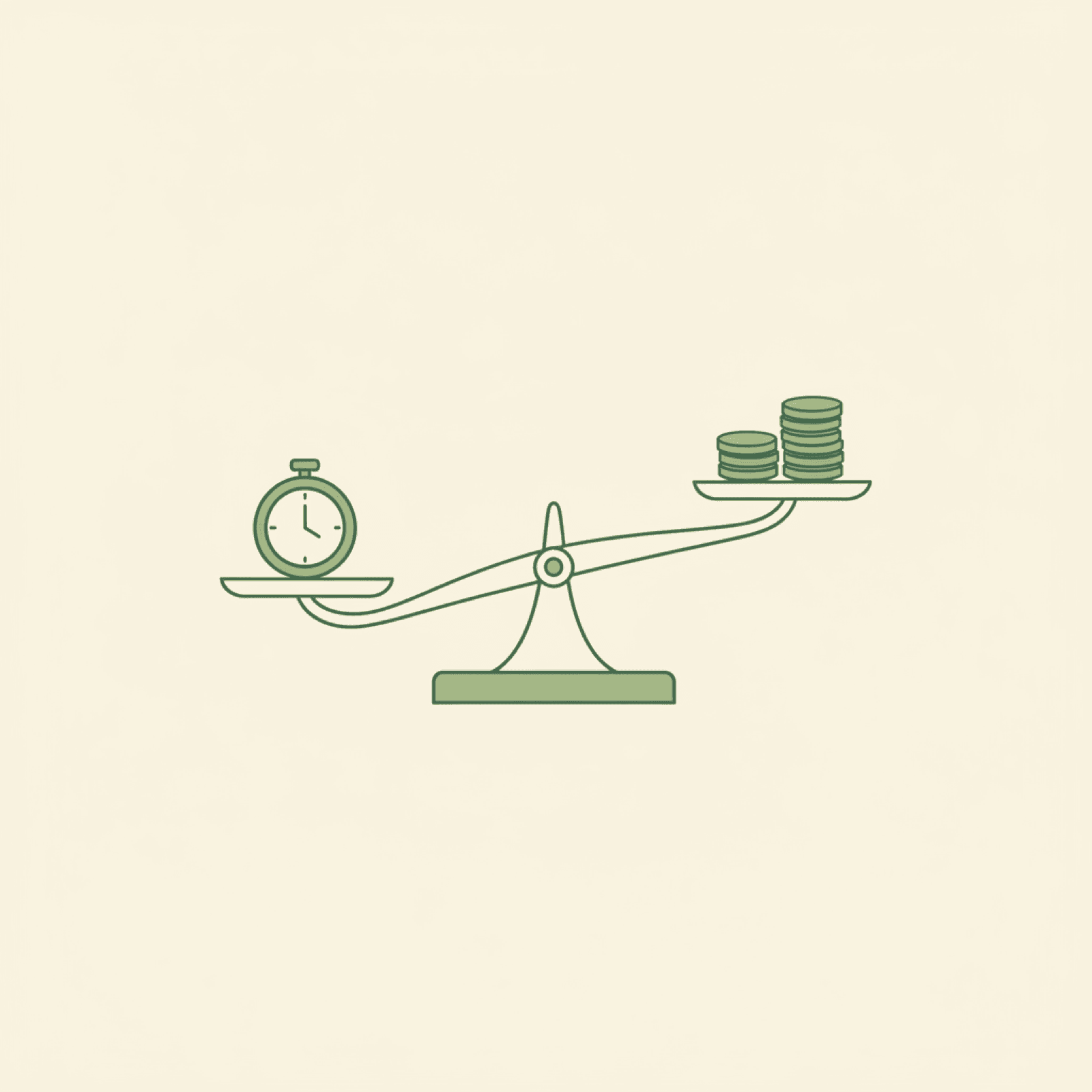
The cost nobody puts on the invoice: time
A $795 evaluation next month can be worth more than a $200 copay evaluation in a year and a half, because the diagnosis is not the finish line. It’s what makes everything after it possible: insurance-funded therapy, school supports, state DDA/DDS services.
Research on early intervention consistently points the same direction: the earlier support starts, the better children tend to do. A child who is 2½ when you first call and 4 when the waitlist finally clears has spent a large share of a critical developmental window in line. For families pursuing ABA therapy, the math is even more concrete, since most insurers won’t authorize ABA at all without a formal diagnosis in hand. Every month of diagnostic delay is a month of therapy delayed too.
This is the honest case for private-pay evaluation, and it’s why Strides built its assessment program the way it did. If you’re local, see how it works for families in Vancouver, WA and across the river in Portland; if coverage is the open question, start with whether insurance covers autism testing. (For what happens after diagnosis, see our guides to ABA therapy for toddlers and how insurance covers ABA.)
How Strides prices an autism evaluation
Starting at $795: the standard assessment is one number with no add-ons, covering the full diagnostic evaluation, written report, and feedback session; more comprehensive evaluations are quoted up front at consultation. Results arrive in as little as two weeks instead of the months-long waits common at regional centers. The evaluation is run by an integrated team of MDs, PsyD-level clinicians, and Board Certified Behavior Analysts, and for children up to age 8 it includes the EarliPoint eye-tracking evaluation described above.
Two details families tell us matter most:
- The report is built to be used. You leave with a diagnostic report plus concrete recommendations and treatment guidance, written to hold up with insurers, schools, and state programs.
- The relationship doesn’t end at diagnosis. Children who continue into ABA services at Strides receive an EarliPoint reassessment every six months at no extra charge, so progress is measured with the same objective tool that informed the diagnosis.
Strides serves families across Vancouver, Camas, and Clark County, WA, and the Portland metro, with services in clinic, home, school, and community settings.
Free and lower-cost evaluation options
Private pay isn’t the right fit for every family, and you should know the alternatives.
School district evaluations. Under federal special-education law (IDEA), public school districts must evaluate children suspected of a disability at no cost to the family. This is genuinely valuable, and worth requesting in writing. The catch: a school evaluation determines educational eligibility, not a medical diagnosis. Insurers generally won’t authorize ABA or other medical services based on a school report alone. Many families end up needing both.
Early intervention programs. For children under 3, Washington’s ESIT program and Oregon’s EI/ECSE programs offer free developmental evaluations and services. Like school evaluations, these establish program eligibility rather than a medical diagnosis, but they’re a strong first step while you arrange diagnostic testing.
University training clinics. Programs that train psychologists sometimes offer reduced-fee evaluations supervised by licensed faculty. Quality is typically good; availability is the problem. Slots are limited and waits can be long.
Medicaid. Apple Health in Washington and OHP in Oregon generally cover medically necessary diagnostic evaluations under state and federal rules, though finding an in-network evaluator with a workable waitlist is often the hard part. Our Medicaid and ABA coverage guide walks through how those programs handle autism services, and we always recommend calling us to verify current plan participation rather than assuming.
Good to Know
Frequently Asked Questions
How much does an autism diagnosis cost?
An autism diagnosis costs whatever the diagnostic evaluation costs; there is no separate fee for the diagnosis itself. Private-pay evaluations run $1,000–$5,000 nationally, in-network insurance usually brings that to $0–$500 after deductible, and a complete diagnostic assessment at Strides starts at $795. The written diagnostic report is what carries the diagnosis, and it’s the document insurers, schools, and DDA/DDS programs will ask for, so confirm it’s included in any quoted price. Some providers quote a low figure for the interview alone and bill the report separately; Strides’ $795 includes evaluation, report, and feedback session.
How much does it cost to get screened for autism?
Autism screening is usually free or costs only a standard copay. Pediatricians run screeners like the M-CHAT-R at 18- and 24-month well-child visits at no extra charge. Screening is not a diagnosis; a positive screen is the signal to book a full diagnostic evaluation, which is where the costs on this page apply. Free screening routes: your pediatrician, WA ESIT or OR EI-ECSE for children under 3, and school districts (educational eligibility only). If a screen has already flagged concerns, the next step is a diagnostic evaluation; at Strides, from $795 with results in as little as two weeks, and our toddler ABA guide covers what comes after.
Is autism testing covered by insurance?
Most of the time, yes. All 50 states require state-regulated health plans to cover autism-related care, and diagnostic evaluations are typically included as medically necessary services. Your actual cost depends on your deductible, coinsurance, and whether the evaluator is in-network, so call your plan before scheduling. Self-funded employer plans follow federal rules and can differ.
How much does an autism evaluation cost with insurance?
With in-network coverage, families often pay between $0 and a few hundred dollars, depending on where they stand against their deductible. If your deductible is unmet, you could owe considerably more even for a covered evaluation. Ask your plan for an estimate against the specific testing codes the provider intends to bill.
How much does an autism assessment cost without insurance?
Private-pay evaluations in the US typically range from $1,000 to $5,000, with comprehensive evaluations most often in the $2,000–$3,000 range and neuropsychologist-led batteries at the higher end. Strides' complete diagnostic assessments start at $795 in Vancouver, WA.
Why are autism evaluations so expensive?
Because they consume many hours of specialist time. A thorough evaluation involves structured interviews, direct standardized testing, questionnaires across settings, scoring, integration against DSM-5 criteria, report writing, and a feedback session, often 5 to 15 clinician hours in total, billed at specialist rates. Scarcity plays a role too: qualified evaluators are in short supply nationwide.
Are there free autism evaluations?
Yes, with trade-offs. School districts must evaluate children at no cost under IDEA, and early intervention programs (ESIT in Washington, EI/ECSE in Oregon) evaluate children under 3 for free. These determine eligibility for school or program services rather than providing a medical diagnosis, which is what insurers require to authorize treatment like ABA. University training clinics sometimes offer reduced-fee diagnostic evaluations.
How long does an autism assessment take?
The evaluation itself usually spans one to three appointments totaling a few hours, plus caregiver questionnaires completed at home. The real variable is the wait to get in and the wait for the written report. At many regional centers the full process takes months to over a year; at Strides, families receive results in as little as two weeks.
What age can a child be evaluated for autism?
Reliable diagnosis is possible by around 18–24 months, and research shows earlier evaluation leads to earlier support. Strides' diagnostic program evaluates children up to age 8, combining EarliPoint eye-tracking with clinical assessment by the MD/PsyD/BCBA team. If your child is older, call (360) 622-2253 and we'll point you toward evaluators who can help.
Get a clear answer in weeks, not months
You don’t need to spend another season wondering. A Strides autism diagnostic assessment starts at $795, delivered by an integrated MD, PsyD, and BCBA team, with results in as little as two weeks, and a plan for what comes next. Strides Therapeutic Services, 204 SE Stonemill Drive, STE 270, Vancouver, WA 98684. Serving Vancouver, Camas, Clark County, and the Portland metro.